



By using our website, you agree to the use of cookies as described in our Cookie Policy
When Should You Replace Your Boat Electronics in St. Petersburg?
Most boaters think electronics just need to work. Power on, screen lights up, job done. But the Gulf doesn't care about your outdated chartplotter, and neither does a storm rolling in from Tampa Bay. Your equipment either keeps you safe or it doesn't. There's no middle ground when you're miles offshore and your radar starts flickering.
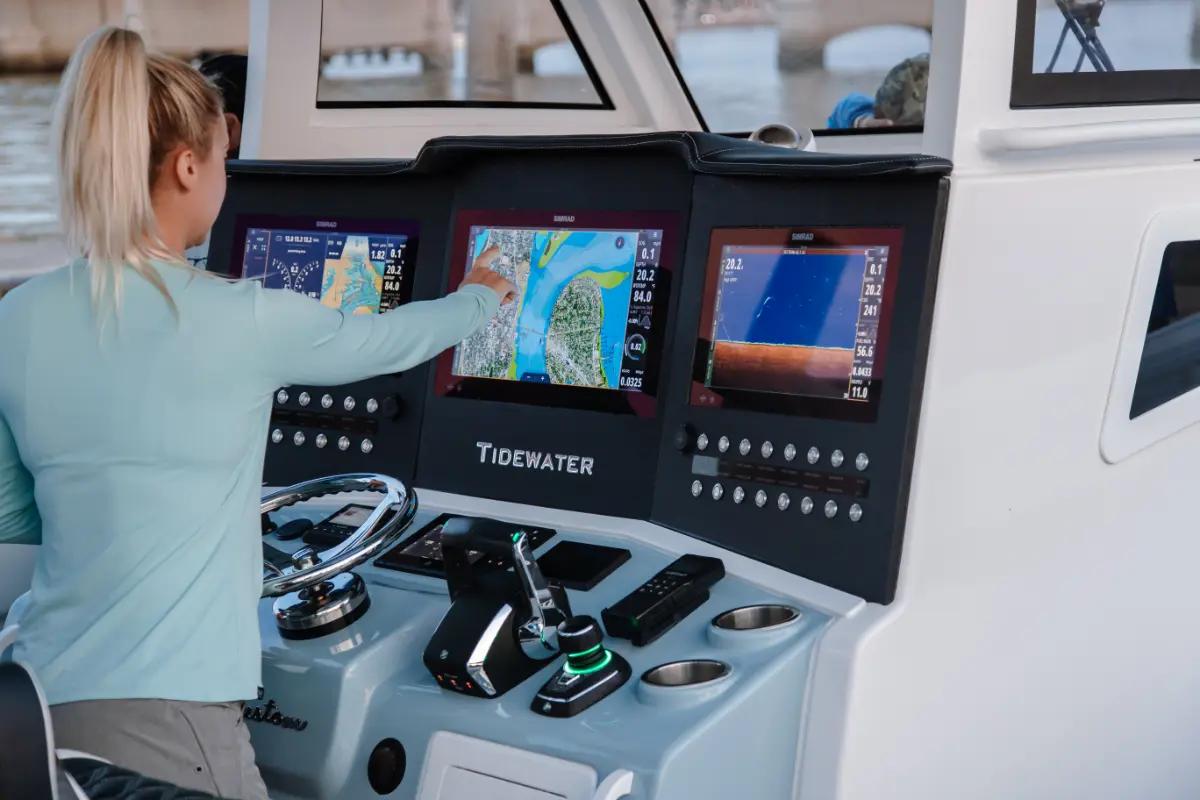
St. Petersburg waters demand more than functional gear. They demand current, reliable systems that won't fold under salt spray, heat, and constant use. If your displays are older than your last engine service, you're gambling with more than just convenience. Every trip should start with confidence in what's mounted to your helm — not crossed fingers and a backup plan.
Salt Air Doesn't Wait for Warranties to Expire
Marine electronics weren't built to last forever, and Florida's climate makes sure of it. Between the humidity, the relentless sun, and salt that creeps into every connection, even premium gear has a shelf life. Most manufacturers design their units to hold up for seven to ten years under normal conditions. But "normal" doesn't include daily exposure to the elements in one of the most demanding boating environments in the country.
The moment corrosion starts eating through a connector or moisture seeps into a housing, the clock speeds up. We've seen units fail in five years because they weren't maintained. We've also seen others push past a decade because the owner stayed ahead of wear with general maintenance. It's not about luck — it's about paying attention before something quits at the worst possible moment.
Your Gear Is Telling You It's Done
Electronics don't just die overnight. They give warnings. Some are loud, some are subtle, but they're always there if you're paying attention. Ignoring them means risking your safety and wasting money on repairs that won't hold.
Here's what failure looks like before it becomes catastrophic:
- Screens that freeze mid-route or reboot without warning
- GPS coordinates that drift or lag behind your actual position
- Depth sounders that stop reading or give inconsistent data
- Displays so dim you can't see them in direct sunlight
- Corroded mounts, cracked housings, or water inside the unit
Why Local Conditions Make the Call Urgent
St. Petersburg isn't some calm inland lake. You're dealing with tidal shifts, sudden weather changes, heavy traffic around the Sunshine Skyway, and open water that can turn rough in minutes. Your electronics need to handle that reality without hesitation. An outdated radar won't spot a squall fast enough. A slow GPS won't help you avoid shoals when visibility drops.
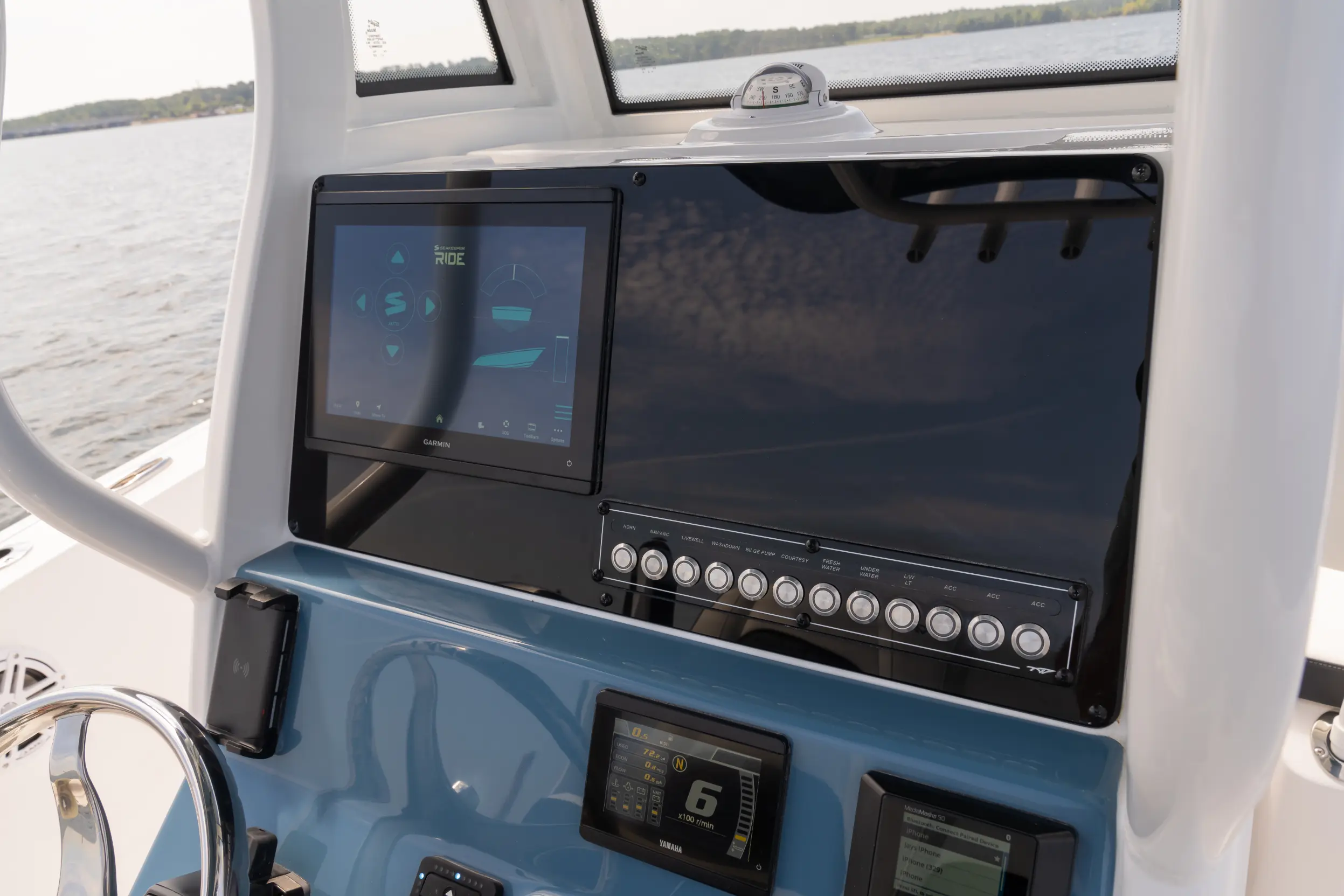
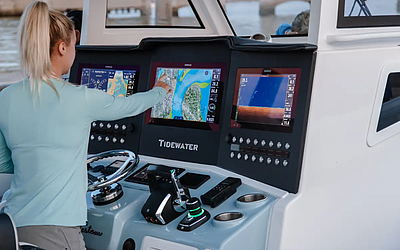
Modern systems bring more than just sharper screens. They integrate AIS, real-time weather overlays, wireless connectivity, and collision alerts. They sync with your phone so you can monitor conditions from below deck. They process data faster and display it clearer. And when you're navigating congested channels or heading into the Gulf, that difference matters.
What You Gain by Upgrading Before You Have To
Replacing electronics before they fail isn't just smart — it's strategic. You avoid being stranded, you get better performance, and you keep your boat competitive if you ever decide to sell. Waiting until something dies means scrambling for a fix during peak season, paying more, and risking your plans.
Here's what new gear delivers:
- Faster response times and more accurate positioning
- Integration with smartphones, tablets, and onboard systems
- Lower power consumption that extends battery life
- Advanced safety features like man-overboard alerts and collision warnings
- Higher resale value and buyer confidence
Off-Season Is When Smart Boaters Make the Move
The best time to upgrade is before everyone else realizes they need to. Late winter and early spring are ideal — before the rush hits, before the heat sets in, and before you're trying to squeeze in a hurried installation between trips. You'll find better pricing, more availability, and installers who have time to do the job right.
But if your equipment is already showing signs of trouble, don't wait for a convenient window. Address it now. A malfunctioning VHF radio or a failing GPS isn't something you put off until next season. That's how emergencies happen.
Technology Moves Faster Than Most Boaters Realize
Even if your electronics technically still work, they may be obsolete. Chartplotters from ten years ago lack touchscreen functionality, cloud-based updates, and compatibility with modern mapping services. Older fish finders miss out on side-scan and down-scan imaging. Radios without DSC capability can't send automated distress signals.
The gap between old and new isn't just cosmetic. It's functional, and it affects how quickly and accurately you can respond to changing conditions. If your gear predates smartphones, it's time to consider what you're missing.
Who You Trust to Install Matters as Much as What You Buy
You can buy the most advanced electronics on the market, but if the installation is sloppy, you'll be dealing with problems from day one. Wiring that isn't sealed properly invites corrosion. Displays mounted at the wrong angle become unreadable. Systems that aren't integrated correctly won't communicate with each other.
Work with marine electronics specialists who know St. Petersburg waters and understand the specific challenges local boaters face. Professional electronic installs will recommend gear that fits your boat, your budget, and your habits — and they'll install it so it actually lasts.
Documentation and Maintenance Extend the Lifespan
Once you've upgraded, don't just assume everything will run forever. Keep records of installation dates, warranty terms, and any service performed. Rinse connections after saltwater exposure. Check mounts and housings for cracks or corrosion. Update software when manufacturers release patches.
Here's what regular maintenance should include:
- Monthly inspections of all connectors and cables
- Freshwater rinses after every saltwater outing
- Firmware updates as soon as they're available
- Annual professional checks on radar, sonar, and navigation systems
- Replacement of corroded or damaged components immediately
Mistakes That Cost Boaters Time and Money
Plenty of boaters wait too long, buy the wrong equipment, or skip professional installation to save a few bucks. Those shortcuts always cost more in the long run. We've seen units fail because someone used automotive connectors instead of marine-grade hardware. We've seen GPS systems mounted where they couldn't get a clear signal. We've seen chartplotters that weren't compatible with existing transducers.
Here's where most people go wrong:
- Waiting until something completely fails instead of replacing it early
- Buying electronics online without checking compatibility
- Attempting DIY installation without marine wiring experience
- Skipping regular maintenance and software updates
- Ignoring warning signs like flickering screens or slow boot times
Get Ahead of the Problem Before It Finds You
Your boat electronics aren't just gadgets — they're your lifeline when conditions change. Outdated gear won't keep you safe, won't get you home, and won't hold up when you need it most. Replacing them isn't about chasing the latest trends. It's about making sure every system on your boat earns its place at the helm. If you can't trust your displays in rough water or low visibility, you're taking risks that no amount of experience can offset. Whether you need marine services or want to explore our boat inventory, you can schedule service or contact us to keep your vessel operating at peak performance. Upgrade before the decision gets made for you.
Let’s Make Sure Your Next Outing Is Worry-Free
We know how much you rely on your boat to make the most of St. Petersburg’s waters, and we’re here to help you stay ahead of any electronic issues before they interrupt your plans. Let’s work together to keep your boat’s systems sharp, safe, and ready for every adventure. Give us a call at 727-867-2585 or schedule service today so we can get you back on the water with total confidence.
‹ Back
Recent Posts
-
Should You Buy a Bay Boat or Center Console?
November 17, 2026
-
Should You Add a Trolling Motor to Your Boat in St. Petersburg?
November 3, 2026
-
When Should You Replace Your Boat Electronics in St. Petersburg?
October 20, 2026
-
Is Your Boat in St. Petersburg Ready for a 100 Hour Service?
October 6, 2026
-
How Often Should You Schedule Boat Maintenance in St. Petersburg?
September 22, 2026