



By using our website, you agree to the use of cookies as described in our Cookie Policy
Should You Add a Trolling Motor to Your Boat in St. Petersburg?
Most boat owners treat upgrades like impulse buys. Flashy electronics, fancy seats, maybe a new Bimini top. But a trolling motor? That's functional. It changes how you fish, how you maneuver, and whether you're constantly fighting the current or actually enjoying the water. St. Petersburg gives you some of the best fishing and cruising grounds in Florida — but only if you can navigate them right.
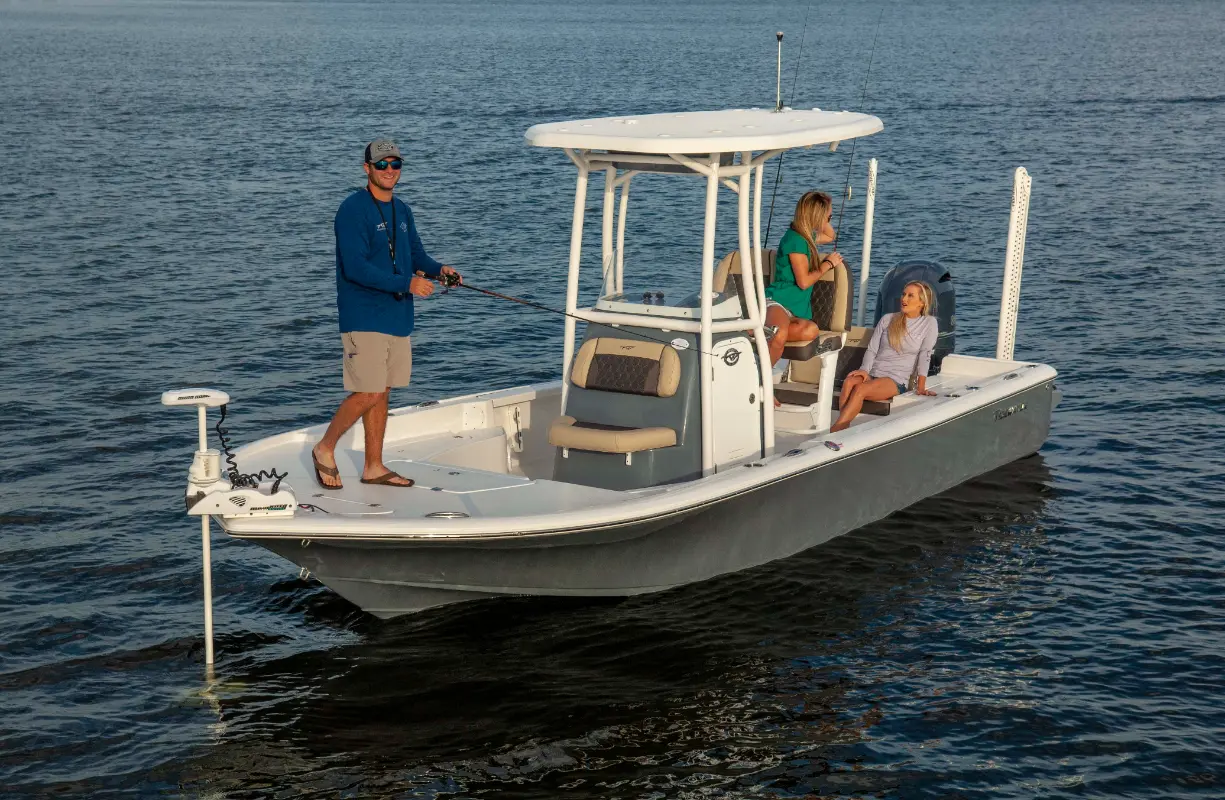
Adding a trolling motor isn't just about going slower. It's about control. Precision. The ability to hold position without an anchor or drift silently through grass flats without spooking every redfish in the bay. If you're serious about fishing the backwaters or exploring tight mangrove cuts, this upgrade pays for itself fast. But it's not automatic. You need the right setup, the right power source, and a realistic view of what it'll cost to install and maintain.
What a Trolling Motor Actually Does
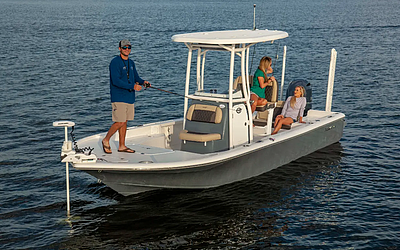
A trolling motor isn't your main engine. It's not built for speed or long-distance cruising. What it does do is give you quiet, controlled movement at low speeds — perfect for positioning your boat exactly where you need it. Most models mount on the bow or transom and run on battery power, though some high-end units use gas.
Anglers use them to sneak up on structure without engine noise. Cruisers use them to navigate shallow zones or hold steady against wind. And anyone who's ever tried to dock in a crosswind knows the value of bow-mounted thrust. It's a tool that solves specific problems — and in St. Pete waters, those problems come up constantly.
Why St. Petersburg Waters Reward Trolling Motors
The fishing here is world-class, but it's not always deep-water action. You've got flats that run inches deep, mangrove islands with narrow channels, and grass beds where one wrong move sends every fish scattering. A trolling motor lets you work those zones without constant repositioning or noisy engine starts.
Beyond fishing, the waterways around Tampa Bay and the Gulf are busy. Marinas get crowded. No-wake zones stretch for miles. A trolling motor gives you the fine control to handle tight spaces, avoid other boats, and maneuver without stress. It's not glamorous, but it's the difference between looking like a pro and looking like a weekend warrior who can't parallel park.
The Fishing Edge You Actually Get
Stealth matters. Fish don't care about your expensive rods or your cooler full of beer — they care about noise and vibration. A trolling motor eliminates both. You can drift into a flat, lock your position with GPS spot-lock, and cast without spooking everything within fifty yards.
Here's where that edge shows up most:
- Shallow flats where redfish and snook feed — you can't run a big engine through six inches of water
- Mangrove edges where one loud motor sends fish deep into cover
- Grass beds that tangle props but let you glide silently with electric power
- Structure fishing where holding position lets you work a spot without constant repositioning
- Drift control in current or wind — you stay over the fish instead of chasing them
What It Costs Beyond the Motor Itself
The motor is just the start. You'll need deep-cycle marine batteries, a charger, mounting hardware, and possibly a marine electrician to wire it right. Budget units start around a few hundred bucks, but serious anglers spend thousands on models with GPS, wireless remotes, and high-thrust output.
Then there's the hidden stuff. Batteries add weight. They take up space. They need charging after every trip, and if you forget, you're dead in the water. Saltwater eats through connections and corrodes metal, so maintenance isn't optional. Rinse it after every outing or plan on replacing parts sooner than you'd like.
The Battery Reality Check
Electric trolling motors run on batteries, and batteries run out. If you're planning all-day trips, you need enough juice to get home — or a backup plan. Lithium batteries last longer and weigh less, but they cost more upfront. Lead-acid batteries are cheaper but heavier and drain faster.
Here's what affects your runtime:
- Motor thrust level — higher power drains faster
- Wind and current — fighting either one kills battery life
- Boat weight — heavier boats demand more power to move
- Speed settings — running full throttle eats through charge quickly
- Battery age and condition — old batteries hold less capacity
Installation Isn't Always Simple
Mounting a trolling motor sounds straightforward until you're drilling holes in your boat. Bow mounts require reinforced decking and proper wiring runs. Transom mounts are easier but offer less control. And if your boat wasn't built with trolling motors in mind, you might need custom brackets or modifications.
Wiring matters too. Improper installation can cause voltage drops, blown fuses, or even fires. If you're not comfortable running heavy-gauge wire and installing circuit breakers, hire a pro. It's not the place to save fifty bucks and risk your boat. Professional trolling motor installs ensure proper mounting, wiring, and integration with your boat's electrical system.
Maintenance in Saltwater Environments
St. Pete's saltwater isn't forgiving. It corrodes terminals, ruins seals, and turns metal components into rust. A trolling motor rated for saltwater use is mandatory, not optional. Even then, you need to rinse it with freshwater after every trip and inspect connections regularly.
Common maintenance tasks include:
- Rinsing the motor housing and shaft to remove salt buildup
- Checking battery terminals for corrosion and cleaning them as needed
- Inspecting propeller blades for damage or fishing line tangles
- Greasing pivot points and mounting hardware to prevent seizing
- Testing electrical connections to ensure solid contact and prevent shorts
Regular general maintenance keeps your trolling motor running reliably season after season, and professional electronic installs prevent common wiring issues that plague DIY setups.
Space and Weight Trade-Offs
Smaller boats don't have unlimited room. Batteries take up floor space. Motors add weight to the bow or stern, which affects balance and draft. If you're already running tight on capacity or clearance, a trolling motor setup might push you over the limit.
Before buying, measure your available space and calculate the added weight. Check your boat's weight rating and make sure you're not overloading it once you add batteries, the motor, and any other gear. A trolling motor doesn't help if it makes your boat unsafe or too heavy to perform well. If you're considering a boat upgrade to accommodate better trolling motor setups, browse our boat inventory for models designed with integrated trolling motor systems.
When It Makes the Most Sense
Not every boat needs a trolling motor, and not every boater will use one enough to justify the cost. If you fish shallow flats, work mangrove structure, or regularly navigate tight channels, it's a no-brainer. If you mostly run offshore or cruise open water, you probably won't get much use out of it.
Consider your boating habits honestly. How often do you fish skinny water? Do you struggle with boat control in wind or current? Are you constantly dropping anchor just to hold position? If the answer is "regularly," a trolling motor solves real problems. If it's "maybe once a season," your money's better spent elsewhere. For boats specifically designed for inshore fishing with trolling motor compatibility, check out models like the Tidewater boats and Shearwater boats in our inventory.
Making the Call
A trolling motor isn't a luxury for serious anglers and boaters in St. Petersburg — it's a tool that opens up water you couldn't fish otherwise. It gives you control, stealth, and precision in an environment where all three matter. But it's also an investment that requires proper installation, ongoing maintenance, and realistic expectations about battery life and performance.
Don't buy one because it looks cool or because your buddy swears by his. Buy it because you need the specific advantages it offers and you're willing to manage the requirements that come with it. Done right, it transforms how you use your boat. Done wrong, it's dead weight and wasted cash. The difference is knowing what you're getting into before you commit.
Ready to Upgrade Your St. Pete Boating Experience?
Let’s make every trip on the water smoother, quieter, and more enjoyable with the right trolling motor setup. If you’re ready to take control of your fishing and cruising, we’re here to help you get it done right. Give us a call at 727-867-2585 or schedule service today and let’s get your boat dialed in for the waters you love most.
‹ Back
Recent Posts
-
Should You Buy a Bay Boat or Center Console?
November 17, 2026
-
Should You Add a Trolling Motor to Your Boat in St. Petersburg?
November 3, 2026
-
When Should You Replace Your Boat Electronics in St. Petersburg?
October 20, 2026
-
Is Your Boat in St. Petersburg Ready for a 100 Hour Service?
October 6, 2026
-
How Often Should You Schedule Boat Maintenance in St. Petersburg?
September 22, 2026