



By using our website, you agree to the use of cookies as described in our Cookie Policy
How Often Should You Schedule Boat Maintenance in St. Petersburg?
Most boat owners think maintenance is just about keeping things running. Check the engine, change the oil, call it done. But the Gulf Coast environment sees more than that — and if you don't, you're asking for trouble. Salt doesn't just sit on surfaces. It eats through metal, corrodes wiring, and turns small oversights into expensive repairs. Especially if you're running hard or leaving your boat in the water year-round.
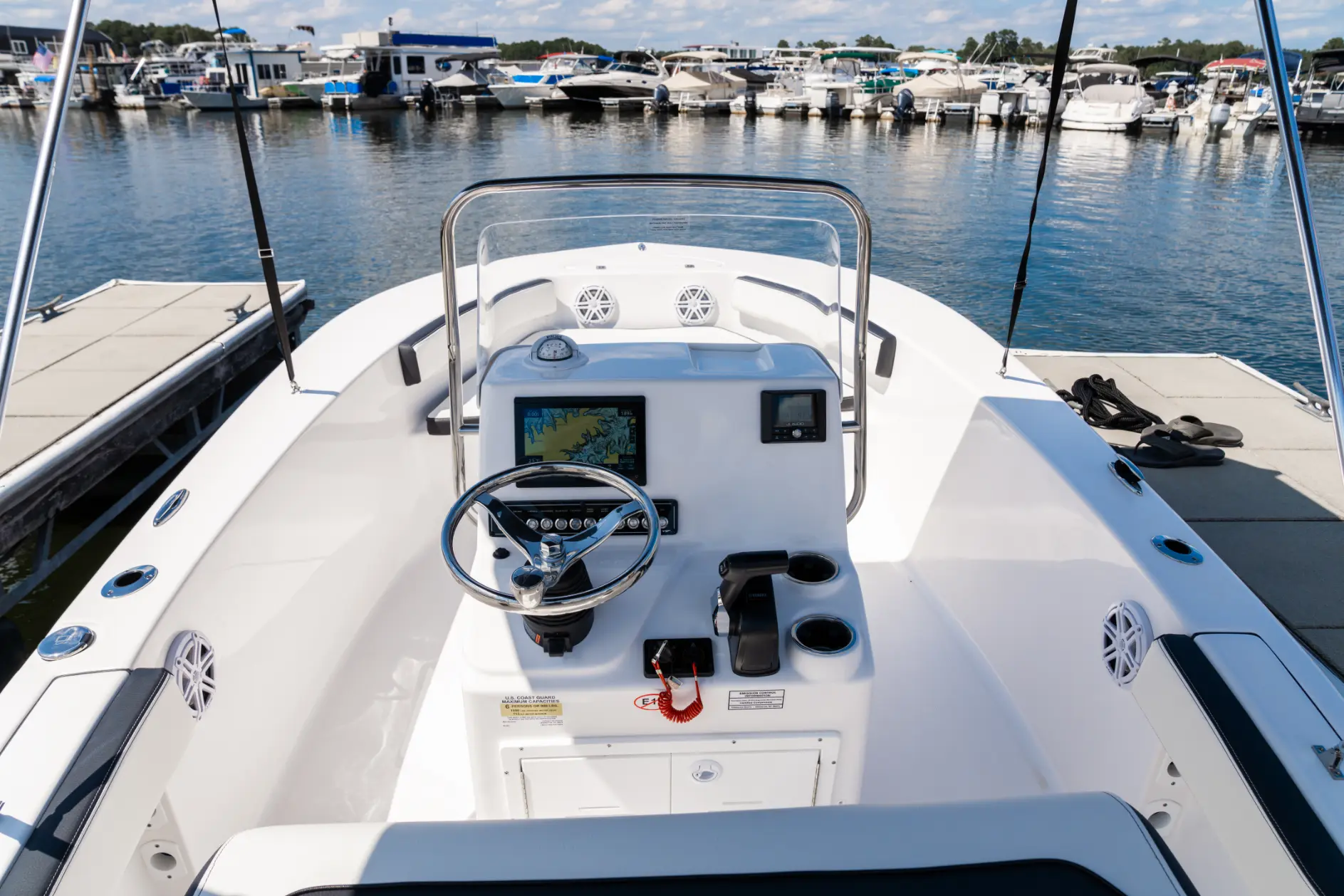
So here's the reality. If you're putting your boat through St. Petersburg's waters, that's great. Just don't treat the maintenance schedule like a suggestion. Every hour on the water leaves a mark. Every skipped service compounds. And every decision about upkeep should be grounded in how you actually use the vessel — not just how it looks tied to the dock.
When a Rinse Isn't Enough
Nine times out of ten, a quick freshwater flush after each outing keeps surface salt at bay. You spray down the hull, hit the engine, maybe wipe the deck — that's routine, not maintenance. The real work starts when saltwater has been sitting in cooling lines, when barnacles begin forming below the waterline, or when humidity starts breeding mold in the cabin.
But if you skip that rinse? Different story. Corrosion accelerates fast in Florida heat, especially on aluminum components and electrical connections. We see it play out constantly with boats kept in slips. Owners assume the marina's doing the heavy lifting — they're not. And when oxidation sets in or a bilge pump fails, the damage shows up long before the next haul-out.
The Services You Can't Skip
You can't write off oil changes as optional — that's the lifeblood of your engine. But the intervals? Those depend on how hard you run and where you're running. The manufacturers give you a baseline, but St. Petersburg's conditions often demand more.
Here's where frequency matters most:
- Engine oil and filters should be swapped every 100 hours or annually, whichever hits first
- Fuel system inspections catch contamination before it chokes your engine mid-trip
- Lower unit gear oil needs changing at least once a season to prevent water intrusion damage
- Zinc anodes corrode by design, so replace them before they're gone or your outdrive pays the price
- Hull cleaning and anti-fouling paint application should happen annually if you're in the water full-time
When DIY Stops Being Smart
Want to handle your own upkeep? You'll need to prove you're doing it right — and that means more than watching a YouTube video and calling it good.
Professional techs check three things amateurs miss:
- Electrical systems for voltage drops and corroded terminals that cause no-start situations
- Through-hull fittings for cracks or loosening that could sink your boat at the dock
- Steering and throttle cables for internal corrosion you can't see until they snap underway
Miss one of those, and the consequence isn't just inconvenience. It's a safety issue. Even if you're mechanically inclined and the work technically got done. And if any part of your system involves complex diagnostics or warranty coverage? That portion's off the table for DIY anyway.
The Gulf Has Standards Most Owners Ignore
If your boat spends more than a weekend per month in saltwater, there's a baseline you need to meet. St. Petersburg's warm, brackish conditions accelerate growth and corrosion faster than northern climates. What works in Michigan doesn't cut it here.
You'll need to stay ahead of the biological and chemical assault:
- Bottom paint loses effectiveness after 12-18 months, even premium formulas
- Sacrificial anodes dissolve faster in warm salt water and need inspection every few months
- Teak and upholstery degrade under constant UV and moisture without proper treatment
- Bilge areas become breeding grounds for mildew if not cleaned and ventilated regularly
Most smaller boats won't need monthly haul-outs — but those running in the bay daily or sitting in a slip all summer need to be strategic. Especially if they're older or sitting on original hardware.
Your Maintenance Record Is Your Best Defense
Want to preserve resale value? Show your work. You'll need more than a shoebox of receipts to prove proper care when it's time to sell or file an insurance claim.
Here's what your documentation should cover:
- Service dates with vendor names and work performed
- Parts replaced, including serial numbers for major components
- Hours logged between services to track intervals accurately
- Photos of hull condition before and after bottom jobs or repairs
If a buyer or surveyor asks questions, they won't just take your word for it. Mixing guesswork with actual records is one of the fastest ways to lose negotiating power. So if that engine was rebuilt three seasons ago, you'd better have the invoices and a logbook entry to back it up.
Where Most Owners Fall Behind
Treating every squeak like an emergency wastes money. Ignoring every squeak until something breaks wastes more. The trick is knowing which maintenance tasks are time-sensitive and which can flex a bit. Sloppy scheduling can cost you real downtime or even create safety risks on the water. Most boat owners stay ahead by using maintenance apps or sticking with a trusted marine service provider — and plenty keep their vessels running strong by following smart practices that prevent small problems from becoming disasters.
When to Bring In a Pro
If your boat includes multiple systems, outdated wiring, or anything under warranty, you're in territory where guessing gets expensive. A certified marine tech helps you identify which services are overdue and which can wait, apply manufacturer specs correctly if you're still covered, separate wear items from actual damage, handle complex diagnostics without throwing parts at the problem, and keep your insurance valid when claims require proof of proper maintenance.
It's not just about avoiding a breakdown this season. It's about building a maintenance rhythm that keeps your boat safe, reliable, and ready whenever the weather cooperates.
Maintenance Runs on a Calendar, Not on Luck
Buying a boat isn't the hard part. Keeping it dialed in for St. Petersburg's conditions — and proving you did when it matters — that's where owners get caught flat. There's no excuse for missed services when the intervals are published in your manual. But there's also no forgiveness when you drift past the schedule and something fails offshore. We help boat owners do more than enjoy the water. We help them protect their investment with clarity, consistency, and an understanding of what proper general maintenance means for safety and performance — not just for how the boat photographs at sunset. Whether you're looking at annual 100 hour services or need to address specific system upgrades, proper scheduling keeps your vessel ready for the water.
Let's Keep Your Boat Ready for Every Outing
We know how much you value your time on the water, and regular maintenance is the key to making every trip smooth and worry-free. If you're ready to take the guesswork out of your boat's upkeep, let's talk about a plan that fits your needs and schedule. Give us a call at 727-867-2585 or Schedule Service today so we can help you stay ahead of the next adventure.
‹ Back
Recent Posts
-
Is Your Boat in St. Petersburg Ready for a 100 Hour Service?
October 6, 2026
-
How Often Should You Schedule Boat Maintenance in St. Petersburg?
September 22, 2026